The Importance of Accessibility in Your Nonprofit
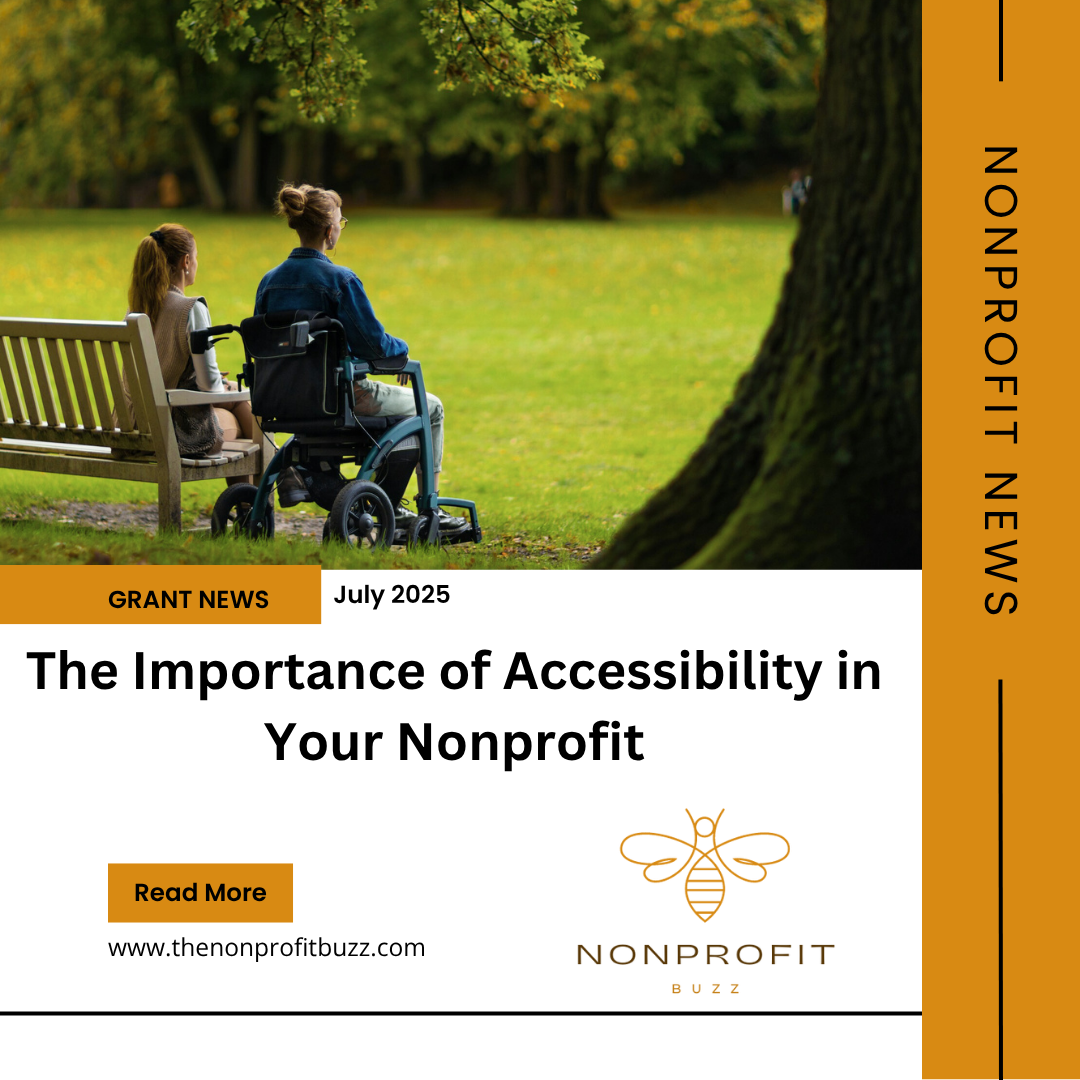
Accessibility isn’t just a compliance checkbox—it’s a core value that defines how inclusive, effective, and compassionate your nonprofit truly is. When a nonprofit prioritizes accessibility, it sends a clear message: everyone belongs here.
Accessibility means that people of all abilities, backgrounds, and identities can fully participate in your programs, events, services, and workplace. It goes beyond wheelchair ramps or alt-text—it includes accessible digital content, sensory-friendly spaces, plain language communication, inclusive hiring practices, and accommodations for neurodiverse individuals or those with invisible disabilities.
Consider this: over 1 in 5 people in North America live with a disability. That’s more than 61 million in the U.S. and 6.2 million in Canada. Disabilities may be physical, cognitive, sensory, or mental health-related. And anyone—at any moment—can become part of this community through illness, injury, or aging.
Making your nonprofit accessible strengthens your mission. It ensures your impact reaches everyone, especially those often excluded. It fosters trust, equity, and dignity. It shows funders, volunteers, and the communities you serve that you are committed to inclusion—not just in words, but in action.
When nonprofits lead with accessibility, they don’t just open doors. They remove barriers to justice, opportunity, and belonging.
If you think you need help auditing your nonprofits current accessibility—whether online or in person—companies like Impact Funding Solutions offers consulting support and can integrate accessibility practices into your future grant and fundraising strategies to help pay for accessibility initiatives.